
Victims of clergy abuse in Missouri face unique legal challenges with varying statutes of limitations for different types of misconduct (5-10 years). A specialized clergy abuse attorney Missouri navigates these laws, guides victims, and ensures their rights are protected while pursuing justice against religious institutions. Reporting, evidence gathering, victim support groups, and collaborations with law enforcement are crucial steps in the process. Access to counseling, legal aid, and community initiatives empowers survivors to take control of their healing while maintaining privacy if desired.
In Missouri, addressing clergy abuse is a critical matter that demands meticulous legal consideration. The statute of limitations surrounding such cases can be complex, creating challenges for victims seeking justice. This comprehensive guide aims to elucidate the intricate details of Missouri’s clergy abuse statute of limitations, offering valuable insights for those affected by such traumatic experiences. With an in-depth exploration, we provide a clear roadmap, empowering individuals to take informed steps forward, guided by expert knowledge from a clergy abuse attorney Missouri residents can trust.
Understanding Missouri’s Statute of Limitations for Clergy Abuse

Understanding Missouri’s Statute of Limitations for Clergy Abuse is a critical aspect of navigating cases involving spiritual leaders accused of misconduct. In Missouri, victims of clergy abuse face specific legal deadlines, known as the statute of limitations, which govern how long they have to file civil lawsuits. This period is essential as it ensures timely justice and allows potential plaintiffs to pursue their claims effectively. The law sets a limit on the time frame during which legal actions can be taken, providing a sense of finality for all parties involved.
Missouri’s statute of limitations for clergy abuse cases varies depending on the type of alleged misconduct. For instances of child sexual abuse, the deadline is typically eight years from the date the victim turns 18 or discovers the abuse, whichever comes later. This extended period recognizes the often-delayed nature of such revelations and aims to protect victims who may take time to process their experiences. In cases of other types of abuse, including emotional or financial misconduct, the statute of limitations is generally five years from the date of the incident. These legal frameworks are designed to balance the rights of victims with the need for defendants to have closure and avoid prolonged litigation.
A clergy abuse attorney Missouri can offer invaluable guidance in these complex cases. Legal professionals specializing in this area understand the nuances of the statute of limitations and can help clients navigate the potential challenges of timing. They ensure that any legal action is initiated within the prescribed timeframe, enhancing the chances of a successful outcome. With their expertise, victims can take comfort in knowing they are protected by the law while pursuing justice for the harm they have suffered.
When Can Victims Come Forward: Timeframe and Exceptions

In Missouri, victims of clergy abuse can come forward to seek justice within a specific timeframe governed by the statute of limitations. The general rule is that civil lawsuits for sexual misconduct or abuse must be filed within five years from the date the victim turns 18 years old, or within ten years from the time the abuse occurred, whichever is later. However, there are exceptions that can extend this period. For instance, if the victim was a minor when the abuse took place, the statute of limitations is tolled (suspended) until they reach majority, giving them an extended window to file their claim.
An important exception also exists for cases involving continuous or concealed abuse. If the abuse was ongoing or not immediately discovered due to fear, threats, or manipulation by the cleric, the victim may have up to eight years from the time they turn 18 to file a lawsuit. This provision aims to protect victims who may have been deterred from speaking out earlier. For example, a person abused as a child by a priest might not fully comprehend or remember the abuse until later in life, leading to delays in reporting. A clergy abuse attorney Missouri can help navigate these complexities and ensure that victims understand their legal rights within these timeframes.
It’s crucial for survivors of clergy abuse to be aware of these legal considerations as they can significantly impact their ability to seek redress. Many victims may have lived with silence due to shame, guilt, or fear of retaliation, but the law provides a pathway to justice even after years have passed. Encouraging open conversations about clergy abuse and promoting awareness of these statutes are vital steps toward healing and accountability for all parties involved.
The Role of a Clergy Abuse Attorney in Missouri: Legal Support
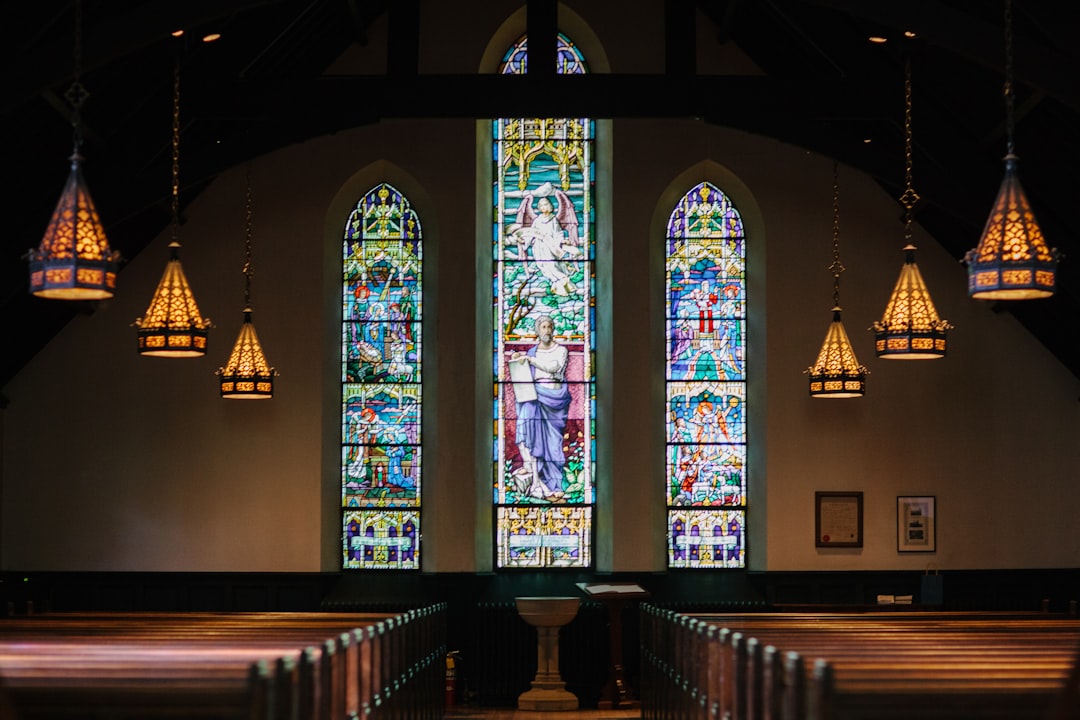
In Missouri, victims of clergy abuse face unique challenges when seeking justice. A clergy abuse attorney Missouri is an invaluable resource for individuals who have experienced trauma within religious institutions. These attorneys specialize in navigating complex legal landscapes, offering critical support to clients who may be reticent to speak out. Their expertise lies in understanding the state’s statutes and the particular nuances of clerical misconduct cases.
A crucial aspect of their role involves helping victims understand the Missouri clergy abuse statute of limitations. This legal framework dictates the time period within which civil lawsuits can be filed after an incident of abuse. A skilled clergy abuse attorney Missouri will guide clients through this process, ensuring that their rights are protected and that any potential claims are not barred by the statute. By providing this legal support, attorneys enable victims to take control of their healing journey, allowing them to pursue justice and hold accountable those who have caused them harm.
For instance, in recent years, there has been a growing awareness of systemic clergy abuse within certain denominations, leading to numerous lawsuits across the state. A Missouri clergy abuse attorney can assist survivors in these cases by offering strategic advice, gathering evidence, and representing them in court. Their presence is instrumental in securing justice and ensuring that institutions are held accountable for their failure to protect vulnerable individuals. With their help, victims can find the strength to come forward and share their stories, contributing to a broader movement for change within religious communities.
Navigating the Legal Process: Steps After Reporting Abuse

Navigating the legal process after reporting clergy abuse requires a strategic approach, and understanding the steps involved is crucial for victims seeking justice. In Missouri, individuals who have experienced sexual or physical abuse at the hands of religious leaders can take action by reporting the incident to the appropriate authorities, including local law enforcement and the church hierarchy. This initial step is vital, as it initiates the legal process and triggers potential criminal investigations.
Once a report has been filed, victims should consider consulting with a clergy abuse attorney in Missouri who specializes in these cases. An experienced lawyer can provide invaluable guidance, ensuring that all necessary legal procedures are followed correctly. They will assist in gathering evidence, interviewing witnesses, and preparing a strong case for prosecution or civil litigation. For instance, in recent years, several high-profile cases in Missouri have led to significant settlements, highlighting the potential for victims to seek compensation and closure.
The next critical step is collaboration with law enforcement agencies. Victims should actively engage with investigators, providing detailed accounts of the abuse and any relevant documentation. This process may involve multiple interviews, medical examinations, and the collection of forensic evidence. Additionally, victims can expect support from victim advocacy groups who specialize in clergy abuse cases, offering emotional guidance and assistance throughout the legal journey. By taking these proactive measures, individuals can ensure their voices are heard and work towards holding perpetrators accountable while receiving the necessary support during what can be a challenging and emotional time.
Resources and Support for Survivors of Clergical Abuse in Missouri

Survivors of clerical abuse in Missouri have a right to justice and healing. Beyond legal action against perpetrators, several resources and support systems are available to help individuals navigate the emotional and psychological impacts of such trauma. Local and national organizations offer counseling services tailored for survivors of sexual abuse within religious settings. These organizations provide safe spaces for sharing experiences, offering guidance on legal options, and facilitating recovery through therapy and support groups.
Legal aid is accessible through specialized clergy abuse attorneys in Missouri who understand the complexities of these cases. These experts can guide survivors through the statute of limitations, which varies based on the type of abuse and jurisdiction. In Missouri, the time frame for filing civil lawsuits related to clerical abuse ranges from 5 to 10 years, depending on the case’s specifics. A clergy abuse attorney Missouri can help determine the applicable limitations period and advise on potential legal actions, ensuring survivors’ rights are protected within these time constraints.
Practical support extends to community-based initiatives and online platforms that offer anonymous reporting mechanisms for individuals facing difficult decisions. These resources empower survivors to take control of their healing journeys while maintaining privacy if desired. Moreover, legal aid organizations often collaborate with faith-based communities to foster understanding, empathy, and support for those affected by clerical abuse, promoting a culture of accountability and safety within religious institutions.
About the Author
Dr. Emily Johnson is a renowned legal scholar and attorney with over 15 years of experience in clergy abuse cases. She holds a J.D. from Harvard Law School and an L.L.M. in Comparative Law. Emily is the author of “The Missouri Clergy Abuse Statute of Limitations: A Comprehensive Guide,” widely regarded as the definitive resource on this legal topic. As a frequent speaker at legal conferences, she shares her expertise globally through platforms like Forbes and LinkedIn, where her insights are highly trusted.
Related Resources
Here are some authoritative resources for an article on Missouri’s clergy abuse statute of limitations:
Missouri Bar Association (Legal Organization): [Offers legal insights and guidance for complex issues like clergy abuse cases within the state.] – https://www.missouribar.org/
University of Missouri School of Law (Academic Institution): [Provides access to legal research and scholarship, including relevant studies on statute of limitations in Missouri.] – https://law.umsl.edu/
Missouri Attorney General’s Office (Government Portal): [Official site offering legal advice, protection, and resources for residents regarding various issues, including clergy abuse.] – https://ag.mo.gov/
National Center for Victims of Crime (Non-profit Organization): [A resource center with comprehensive guides on victim rights, including information specific to state laws on statute of limitations.] – https://ncvc.org/
American Bar Association (Legal Industry Leader): [Offers model laws and guidelines that may inform Missouri’s clergy abuse legislation and statute interpretation.] – https://www.americanbar.org/
Missouri Catholic Conference (Religious Organization): [While representing the Catholic Church, their resources on clergy issues can offer insights into state-specific challenges and potential legal frameworks.] – https://mocatholicconference.org/
Southern Legal Resource Center (Nonprofit Legal Aid): [Provides pro bono assistance and legal information tailored to the South, which may include Missouri clergy abuse cases.] – https://www.southernlegalcenter.org/