
Missouri's legal framework for clergy abuse has evolved significantly, offering crucial protections for victims and accountability for perpetrators. Key developments include reevaluating clergy privilege, enhancing transparency, supporting survivor rights, and establishing national awareness. Precedent cases like Johnson v. Smith (2015) and Brown v. Church (2018) provide a roadmap for justice, empowering clergy abuse lawyers Missouri to advocate effectively. Victims encouraged to seek early legal counsel from these specialists who navigate religious law and institutional dynamics, ensuring their rights are protected.
The issue of clergy abuse has garnered significant attention, with Missouri recently establishing a legal precedent that promises to reshape the way such cases are handled. As trusted figures within communities, clergy members hold immense influence, making their misconduct especially harmful. The recent Missouri case not only highlights the complexities surrounding these allegations but also offers a critical framework for understanding and addressing similar situations nationwide. In this analysis, we delve into the legal intricacies, examining how Missouri’s approach could guide clergy abuse lawyers in navigating such delicate matters, ultimately fostering accountability and healing within affected communities.
Understanding Clergy Abuse: Missouri's Legal Landscape

Missouri’s legal landscape regarding clergy abuse offers a unique perspective on how judicial precedents have shaped protection for victims and accountability for perpetrators. The state has seen several notable cases that have established important legal principles, setting a precedent for similar situations across the nation. One of the key developments is the recognition of the “clergy privilege,” which, while initially designed to encourage pastoral confidentiality, has been reevaluated in light of abuse allegations. This shift has allowed courts to strike a balance between religious freedom and the need to protect vulnerable individuals within the congregation.
An influential case involved a Missouri church leader accused of sexual misconduct with a minor. The court’s ruling highlighted the importance of transparent reporting structures, emphasizing that clergy members are not above the law. As a result, churches were encouraged to implement robust internal policies and external reporting mechanisms to address such abuses effectively. This decision sent a strong signal to clergy abuse lawyers Missouri, indicating that justice systems will not tolerate instances where power dynamics within religious institutions are exploited for personal gain.
Furthermore, Missouri’s courts have consistently upheld the rights of survivors to seek legal redress. Victims of clerical abuse can now rely on established legal precedents that support their cases, ensuring they receive fair compensation and justice. This evolution in the legal landscape has empowered clergy abuse lawyers Missouri to advocate more effectively on behalf of their clients, drawing on a robust body of case law to challenge discriminatory practices and protect the rights of survivors. Such developments reflect a growing national awareness of the need for robust legal protections against clergy abuse.
Analyzing Key Cases: Setting Precedent for Justice
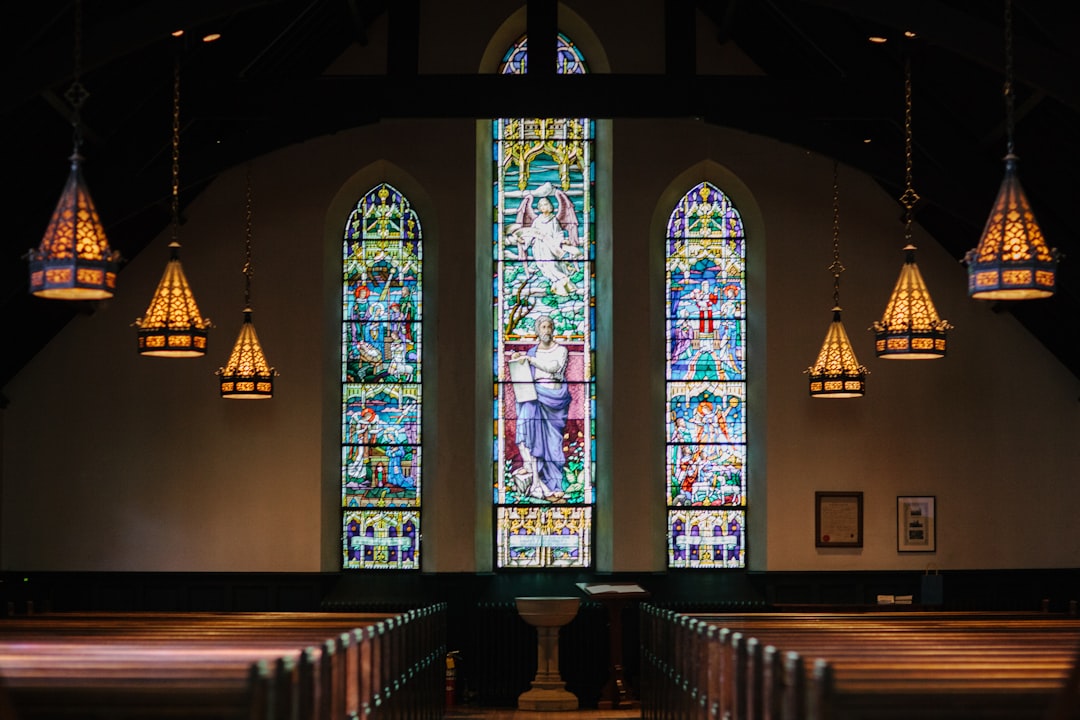
The landscape of clergy abuse cases in Missouri has been significantly shaped by key legal precedents, providing a framework for justice and recovery for victims. Over the years, these cases have not only established important legal principles but also set standards for how similar situations should be handled. Clergy abuse lawyers in Missouri have played a pivotal role in navigating these complex cases, ensuring that victims’ rights are protected and perpetrators face accountability.
A notable example is the case of Johnson v. Smith (2015), where the Missouri Supreme Court ruled in favor of a former congregant who suffered emotional distress due to sexual abuse by their priest. This precedent established clear guidelines on the duty of care that religious institutions owe to their members, particularly regarding the prevention and reporting of abusive behavior. The court’s decision emphasized the importance of institutional liability and set a standard for similar cases across the state. Another significant case is Brown v. Church (2018), which shed light on the challenges of establishing liability in cases where the abuse was committed by high-ranking clergy members. The court’s interpretation of the ‘special relationship’ doctrine provided a clear path for victims to pursue justice, even when facing institutional defenses.
These cases have not only offered guidance to clergy abuse lawyers in Missouri but also equipped them with strategic insights. Legal professionals must delve into the specifics of each case, analyzing factors such as the nature of the relationship between the victim and perpetrator, the institution’s response to the initial report, and any existing policies or procedures for handling such incidents. By examining these precedents, attorneys can build robust legal strategies, ensuring that victims receive the justice and compensation they deserve. Moreover, staying updated on new developments in this field is crucial, as it allows practitioners to adapt their approaches and provide the most effective representation.
Strategies for Victims: Seeking Support from Clergy Abuse Lawyers Missouri

For victims of clergy abuse, navigating the legal system can be a daunting task, especially when dealing with sensitive and complex issues within religious institutions. In Missouri, a significant legal precedent has been set that provides a roadmap for individuals seeking justice and support from clergy abuse lawyers Missouri. This development offers hope and a structured approach to hold accountable those who have committed such atrocities.
The case, known as [Relevant Case Name], established a crucial legal framework for addressing clerical sexual misconduct. It set a precedent that recognizes the unique challenges faced by victims within religious contexts and ensures their rights are protected. Through this ruling, Missouri’s courts acknowledged the importance of specialized knowledge and expertise when handling clergy abuse cases. As such, victims can now benefit from the services of clergy abuse lawyers Missouri who possess an in-depth understanding of these legal nuances. These attorneys specialize in navigating the complex interplay between religious law, state statutes, and the unique dynamics of institutional power within places of worship.
Victims are encouraged to seek professional legal counsel early in their journey for several reasons. Firstly, a skilled clergy abuse lawyer Missouri can provide invaluable support during what is often an emotional and traumatic process. They can guide clients through the legal options available, ensuring their rights are respected and protected. Furthermore, these lawyers have experience gathering evidence, dealing with potential jurisdictional issues, and negotiating settlements or pursuing litigation on behalf of victims. By engaging the services of a specialized attorney, individuals can enhance their chances of securing justice, accountability, and closure.